

Fintech Startup Belong Uses Bank Rails to Verify True Superfans
Utilizing regulated financial infrastructure, Belong replaces proxy metrics like follower counts with verified transactional data to build artist-owned membership programs.
Utilizing regulated financial infrastructure, Belong replaces proxy metrics like follower counts with verified transactional data to build artist-owned membership programs.

Integrating Shopify-native platforms like Single transforms isolated merchandise transactions into a compounding database of verified, high-LTV superfans.
Cross-referencing generational cohort data with direct-to-consumer spending reveals that a superfan’s age fundamentally dictates their preferred monetization channels.
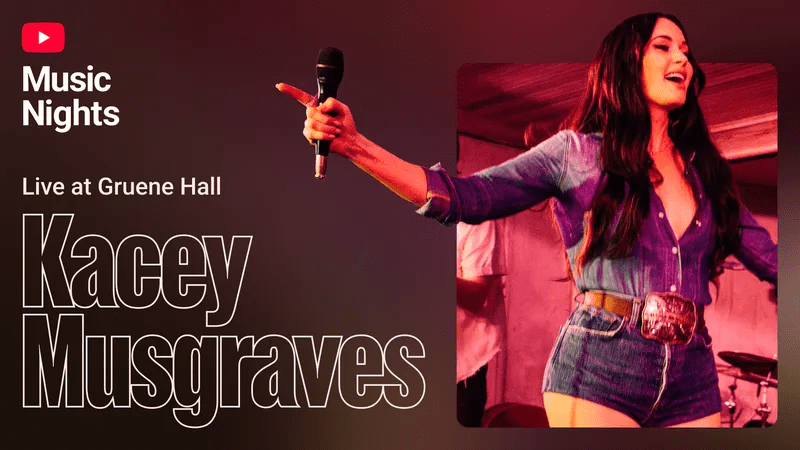
Positioning exclusive live video as a core retention tool, YouTube aims to outflank Spotify’s recent push into superfan concert films.
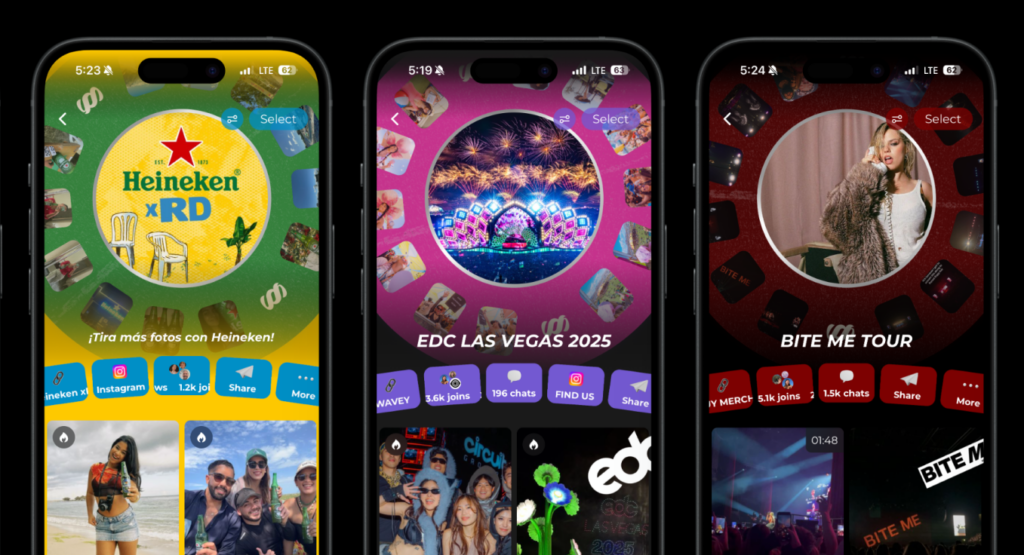
By transforming passive user-generated concert footage into measurable audience data, Swsh aims to monetize the uncaptured value of live event superfandom.

Event-based contracts transform passive fandom into active financial participation by allowing listeners to trade directly on cultural outcomes.

Leveraging a 20% quarter-over-quarter surge in active platform users, the South Korean giant is transitioning from a traditional label to a technology-driven entertainment ecosystem.

By leveraging interconnected narrative ecosystems, HYBE is shifting the superfan monetization model from increasing individual spend to aggressively expanding the total addressable market.

By offering a white-labeled API toolkit rather than a centralized social ecosystem, Openstage is shifting the superfan app model toward strict data sovereignty.

By allowing creators to temporarily or permanently gate tracks behind a follow, SoundCloud is shifting from passive distribution to active, retention-based engagement.